















De Madrid a las cocinas profesionales Alberto Chicote es uno de los cocineros y comunicadores gastronómicos más reconocibles de España. Nacido en Madrid en 1969, desarrolló desde joven un interés

Dominic LeBlanc has spent decades close to the center of Canadian federal politics, developing a reputation as an experienced Liberal politician capable of managing complex portfolios and sensitive negotiations. A

Danielle Smith has experienced one of the most unusual political trajectories in modern Canadian provincial politics. She rose to prominence as the leader of a conservative movement challenging Alberta’s longtime

Connor McDavid entered professional hockey carrying expectations that would have overwhelmed most young athletes. Before he had played a single NHL game, scouts and commentators were already describing him as

Avi Lewis has built an unusual career at the intersection of journalism, documentary filmmaking, political activism and electoral politics. Born into one of Canada’s most prominent political families, he grew

Alan Cross has spent decades exploring not only what people listen to, but why music develops the way it does. The Canadian broadcaster, writer and music historian is best known
De Madrid a las cocinas profesionales Alberto Chicote es uno de los cocineros y comunicadores gastronómicos más reconocibles de España. Nacido en Madrid en 1969, desarrolló desde joven un interés

Renting or buying an apartment is one of life’s big milestones. Whether you’re a first-time renter, upgrading your space, or investing in property, the right choice can boost your happiness,

Canada currently faces a cascade of economic and trade disruptions: from withering canola exports due to Chinese tariffs, to shifts in trade policy with the U.S., all while its agricultural

In contemporary science, the age-old notion of intuition—those gut feelings and immediate insights that often seem mysterious—has garnered a surprising amount of rigorous research. Traditionally regarded as a mystical or purely subconscious phenomenon, intuition is now being examined through the lens of psychology, neuroscience, and cognitive science, revealing that it is, in fact, an intricate process rooted in our brain’s ability to process vast amounts of information rapidly. Understanding the scientific principles behind intuition not only demystifies it but also offers practical pathways to enhance decision-making skills across various domains, from business to personal life. One of the most significant breakthroughs in this area stems from studies in neuroscience, which demonstrate that intuitive judgments often originate from the brain's subconscious capacity to recognize patterns based on prior experiences. When faced with a complex decision, specific neural pathways activate swiftly, drawing on the accumulation of past encounters and learned associations. This rapid processing can sometimes outperform traditional analytical approaches, especially in situations where time is of the essence or information is incomplete. Psychologists have also emphasized the importance of expertise in sharpening intuition. For example, seasoned professionals—whether chess grandmasters, emergency responders, or seasoned investors—tend to develop refined intuitive skills through accumulated experience and deliberate practice. This aligns with the concept of "expert intuition," where repeatedly exposed to similar scenarios, individuals develop a mental repository of cues, enabling snap judgments that are often surprisingly accurate. However, science also warns of the pitfalls—overconfidence and cognitive biases such as confirmation bias can distort intuitive judgments, leading to errors. Recognizing these challenges, researchers have sought ways to make intuition more reliable and to leverage it intentionally in decision-making. One key approach involves structured reflection and mindfulness techniques. These practices help individuals recognize when their intuition might be skewed by biases or emotional influences, fostering a more balanced decision process. Additionally, decision science advocates for a hybrid approach—combining intuitive insights with analytical thinking—that can lead to better outcomes, especially in complex or high-stakes scenarios. Furthermore, advancements in data analytics and machine learning are opening new avenues for decision-making support. These technologies can analyze enormous datasets and identify subtle patterns that might be imperceptible to humans, effectively augmenting our intuitive faculties. For instance, predictive algorithms are now routinely used in finance and healthcare, providing probabilistic insights that inform human judgment without replacing it. Ultimately, embracing a scientifically informed approach to intuition and decision-making involves understanding the neurological and psychological substrates of our judgments, cultivating expertise through experience, utilizing mindfulness and reflection to mitigate biases, and integrating technological tools to enhance our perceptual capacities. By doing so, we can develop a more nuanced, reliable, and efficient framework for making decisions—one that harmonizes instinct with evidence and skill. This integrated approach not only elevates individual performance but also broadens our understanding of how human cognition operates in the complexities of the modern world.

Traveling is often heralded as a way to escape daily routines and experience new landscapes, but its transformative power runs much deeper than mere sightseeing. When we venture into unfamiliar environments, our habits and thinking patterns undergo subtle yet profound shifts. These experiences push us beyond our comfort zones, prompting us to question long-held assumptions and adapt to diverse cultural contexts. For instance, navigating a bustling market in a foreign country or trying to communicate in a language we’re just beginning to learn can challenge our sense of control and patience, nudging us toward more flexible and open-minded attitudes. Traveling also encourages us to adopt new habits—whether it’s practicing mindfulness while watching a sunset in Bali or embracing local customs that differ from our own routines. Moreover, exposure to different ways of life expands our perspectives and nurtures empathy. Witnessing how others live, work, and celebrate can dissolve stereotypes and prejudices we may have unwittingly held. It often prompts a reevaluation of what we consider “normal” or “necessary,” prompting realignment of our priorities and lifestyle choices upon returning home. Many travelers report coming back with healthier habits—such as adopting more sustainable living practices or cultivating a greater appreciation for community and connection—thanks to the insights gained during their journeys. Travel also influences our cognitive processes. It enhances creativity by exposing us to novel stimuli and problem-solving scenarios. When faced with unfamiliar settings, our brains become more adaptable, developing skills like quicker decision-making and heightened awareness. When we navigate a city without a structured itinerary, for example, we engage in active problem-solving and critical thinking that can carry over into other aspects of our lives. Additionally, the emotional experiences tied to travel—such as awe, surprise, or even frustration—can elevate our overall sense of well-being and increase resilience. Furthermore, travel often fosters a shift in time perception. Stark differences in pace and schedules across cultures can alter our sense of time as something to be rushed or savored, leading us to adopt more mindful approaches post-travel. Many people find that they return home with a renewed appreciation for the present moment and a desire to slow down amidst their busy routines. In essence, travel is far more than just a leisure activity; it is a catalyst for personal growth. It invites us to step outside our everyday circumstances and view life through different lenses. The habits we form abroad—be it increased patience, adaptability, or mindfulness—tend to stay with us long after the journey ends. The way we think about the world, our place within it, and our daily routines are forever enriched by the lessons learned during our travels. Ultimately, traveling transforms not just how we see the world, but how we see ourselves within it.
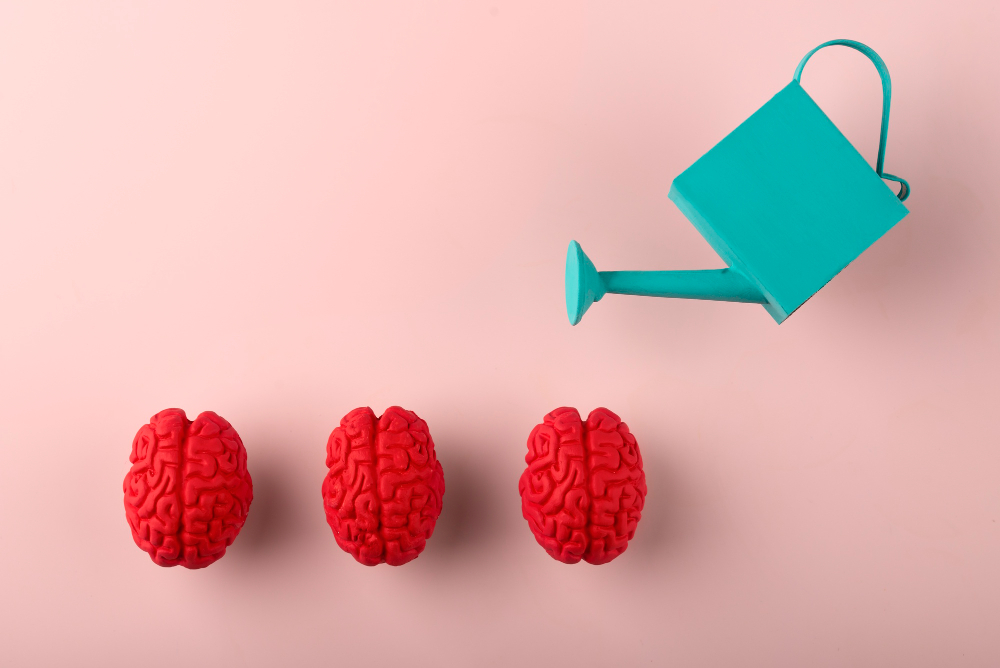
When we set out to learn a new skill—whether it’s mastering a musical instrument, picking up a new language, or trying our hand at a new sport—our brains go through a fascinating series of changes. These changes are not just superficial; they involve complex processes at both the cellular and network levels that underlie our ability to acquire, refine, and retain new abilities. Understanding what happens inside our brains as we learn can shed light on why some skills come easily while others require persistent effort, and how different factors influence our learning capacity. Initially, when we encounter something unfamiliar, our brains activate specific regions depending on the nature of the task. For example, learning to play the piano involves the motor cortex to coordinate hand movements, the auditory cortex to process sounds, and the hippocampus, which is crucial for forming new memories. At this early stage, learning often feels awkward and requires conscious effort. These initial stages are characterized by a lot of trial and error, with the brain creating new neural connections—what scientists refer to as synaptic plasticity. Synapses, the tiny gaps between nerve cells where communication occurs, strengthen or weaken based on activity. When we practice consistently, certain pathways become more efficient, a phenomenon known as long-term potentiation (LTP), effectively "wireing" the skills into our brain's circuitry. As we continue practicing, the changes in the brain become more pronounced. Repeated activity leads to structural modifications—brain regions involved in the skill become denser with more synapses. For example, studies have shown that London taxi drivers, who spend years memorizing intricate city maps, develop increased gray matter volume in areas linked to spatial navigation. Similarly, musicians often exhibit enhanced connectivity between auditory and motor regions, highlighting how learning and experience shape our brain's physical structure. Once a skill is somewhat mastered, the process shifts from effortful to more automatic. This transition involves the consolidation of memories, a process where newly acquired information becomes stable and integrated into existing neural networks. Sleep plays a crucial role here; during deep sleep phases, the brain replays patterns of activity associated with recent learning. This reactivation strengthens synapses and integrates new skills into long-term memory, making performances smoother and more reliable over time. Moreover, learning isn’t just about changing specific brain regions—it also involves enhanced communication across different parts of the brain. These improvements in connectivity facilitate better coordination and efficiency, enabling us to perform complex tasks with less conscious effort. For instance, when learning a new language, the brain develops specialized networks that link vocabulary, grammar, and pronunciation, allowing for more seamless use of language as these connections become more robust. Interestingly, the brain's neurochemical environment also adapts during learning. Neurotransmitters like dopamine play a significant role in reinforcing learning by creating a sense of reward and motivation. This is why engaging in activities we enjoy can accelerate the learning process—they stimulate the release of chemicals that promote neural plasticity and motivation. On the flip side, stress hormones like cortisol can hinder learning if they are excessively elevated, impairing the formation of new memories and weakening existing synaptic connections. In summary, the process of learning new skills involves a dynamic interplay of neural activities. From initial activation of specific brain areas and the strengthening of synapses through repetition, to structural changes that support long-term retention, the brain is remarkably adaptable. This neuroplasticity is a testament to our capacity to grow and change, emphasizing that with effort, patience, and the right conditions, we can master new skills and continually expand the horizons of our abilities. Understanding these mechanisms not only enriches our appreciation of the learning process but also offers insights into more effective training and rehabilitation strategies, helping individuals unlock their full potential.

In our fast-paced modern world, daily stress has become an almost unavoidable part of life. Whether it's the pressure of work deadlines, personal relationships, or constant connectivity through digital devices, stress tends to accumulate, affecting our mental and physical well-being. However, there are simple psychological techniques that anyone can practice to effectively reduce stress levels and improve overall mental health. The beauty of these techniques lies in their accessibility and ease of implementation, requiring only a few minutes a day to see meaningful results. One of the most straightforward methods is practicing mindfulness. Mindfulness involves paying deliberate attention to the present moment without judgment. Simple exercises like focusing on your breath, observing your surroundings, or noting your thoughts without attachment can anchor you in the present, helping to decrease feelings of anxiety and overwhelm. This practice encourages a pause—an opportunity to step back and evaluate a situation calmly rather than reacting automatically out of stress. Another effective technique is cognitive reframing. Our thoughts heavily influence how we feel, and by consciously shifting negative or irrational thoughts to more positive or realistic perspectives, we can significantly reduce stress. For instance, instead of thinking, “I can't handle this workload,” reframing it as, “This is challenging, but I can manage it step by step,” promotes a healthier mindset and reduces feelings of being overwhelmed. Over time, this mental shift can build resilience and foster a more optimistic outlook. Deep breathing exercises also stand out as one of the simplest yet most powerful tools for stress relief. When feeling anxious or pressured, taking slow, deep breaths activates the parasympathetic nervous system, which promotes relaxation. Techniques such as inhaling deeply through the nose for four counts, holding the breath for four counts, then exhaling slowly through the mouth for another four counts can quickly calm the nervous system, reducing physical symptoms of stress like rapid heartbeat or tense muscles. In addition to these individual techniques, establishing consistent routines can create a sense of stability and predictability, which naturally diminishes stress. Setting aside specific times for relaxation, exercise, or hobbies provides a mental break from daily pressures. Engaging regularly in activities like walking, listening to music, or practicing hobbies diverts focus from stressors and fosters positive emotions. Social connection also plays a vital role in managing stress. Sharing feelings with trusted friends or family members can provide emotional support and perspective, often alleviating feelings of isolation or anxiety. Even brief conversations or support groups can amplify feelings of belonging and resilience. Finally, maintaining a healthy lifestyle—adequate sleep, balanced nutrition, and physical activity—complements these psychological techniques, creating a comprehensive approach to stress management. While these habits may seem basic, their combined effect significantly enhances emotional stability and stress resilience. In summary, reducing daily stress doesn't require complex solutions or significant time investments. Simple practices like mindfulness, cognitive reframing, deep breathing, establishing routines, nurturing social connections, and maintaining healthy habits can collectively make a profound difference. Implementing just a few of these techniques consistently can lead to a calmer, more balanced life, empowering individuals to navigate daily challenges with greater confidence and tranquility.

Music has long been recognized as more than just a form of entertainment; it’s a powerful force that shapes our perception of the world and profoundly influences our capacity for creativity. From the moment we hear a melody or a rhythm, our brains engage in complex networks of processing that can alter our emotional states, cognitive functions, and even the way we interpret our surroundings. But how exactly does music exert this influence? Understanding the intricate relationship between sound and perception requires a deeper look into the neurological, psychological, and cultural dimensions of music. Research shows that music activates various regions of the brain, including areas associated with emotion, memory, and decision-making. When a piece resonates deeply, it can evoke vivid memories or shifts in mood, effectively coloring our perception of reality at that moment. For example, a lively tune might energize a sluggish mind, while a somber melody can evoke feelings of nostalgia or introspection. This emotional modulation opens up pathways for greater empathy and self-awareness, encouraging individuals to explore different facets of their identity and worldview. Beyond mood regulation, music also influences cognitive functions such as attention, problem-solving, and abstract thinking. Musicians, in particular, often demonstrate heightened abilities in these domains, suggesting that engaging with music may enhance certain neural pathways. The act of creating or improvising music encourages divergent thinking—a hallmark of creativity—by pushing the mind to explore novel combinations of sounds and ideas. This process nurtures flexibility in thought and a willingness to experiment, key traits that fuel innovation across various fields. Culturally, music acts as a bridge connecting diverse societies, fostering shared experiences and collective identities. It highlights differences, celebrates traditions, and promotes understanding among different groups. That cultural grounding enriches our perception of ourselves and others, highlighting the importance of context in how music shapes our worldview. For example, traditional folk songs can serve as reservoirs of history and communal values, while contemporary genres often reflect the societal issues and aspirations of current generations. In educational settings, integrating music into curricula has proven to bolster creativity and perceptual skills. Students engaged in musical activities tend to develop better language abilities, enhanced memory, and increased spatial-temporal skills. These benefits underscore the potential for music to unlock creative potential that extends beyond the arts, influencing scientific thinking, engineering, and technological innovation. As technology advances, our capacity to manipulate and experience music continues to expand, offering new ways to harness its perception-shaping power. Virtual reality concerts, interactive music apps, and AI-generated compositions open avenues for personalized and immersive musical experiences. These innovations not only deepen our emotional connection to music but also expand its influence on our perceptions and creative thinking in unprecedented ways. Ultimately, understanding how music shapes perception and creativity reveals its role as a vital element of human experience. It’s a universal language that transcends boundaries, awakens our senses, and inspires novel ways of thinking. By appreciating the profound impact music can have, individuals and society alike can harness its potential to foster greater empathy, ingenuity, and cultural understanding. The melodies we listen to and create today will continue to mold our perception of the world and drive the creative innovations of tomorrow.

Managing your time effectively is one of the most valuable skills you can develop in today’s fast-paced world. With endless to-do lists, looming deadlines, and the constant barrage of notifications vying for your attention, it’s easy to feel overwhelmed and unsure of where to start. But the good news is that practical, tried-and-true strategies can help you regain control and make the most of your day. This article dives into actionable tips you can implement immediately to enhance your personal time management. Whether you’re a student juggling coursework and extracurriculars, a professional striving to meet project deadlines, or someone simply looking to carve out more personal time, these suggestions are designed to be adaptable and effective across various lifestyles and commitments. First, understanding the importance of prioritization is crucial. Not all tasks are created equal, and learning how to distinguish between what’s urgent and what’s important can prevent you from wasting energy on less impactful activities. Techniques like the Eisenhower Box can offer visual clarity and help you decide what deserves your focus now, what can be scheduled for later, what to delegate, and what to eliminate. Next, setting clear and realistic goals can drastically improve your productivity. Breaking larger projects into smaller, more manageable steps ensures steady progress and reduces feelings of being overwhelmed. Clear goals also provide a sense of direction and purpose, making it easier to stay motivated. Creating daily to-do lists with specific, achievable tasks ensures you have a roadmap for the day, while weekly planning can help you look at the bigger picture and adjust your priorities accordingly. Time blocking is another powerful technique. By designating specific periods for different activities—whether it’s work tasks, exercise, leisure, or rest—you create a structured routine that minimizes distractions and multitasking. During your designated work blocks, turn off notifications, close unrelated tabs, and focus solely on the task at hand. This concentrated effort boosts efficiency and the quality of your work. Conversely, scheduling breaks between tasks prevents burnout and helps maintain your mental clarity. A key aspect often overlooked is learning to say no. Overcommitting can stretch your schedule thin and dilute your ability to focus on what truly matters. Recognize your limits and prioritize your well-being by declining requests or invitations that don’t align with your goals or values. Remember, protecting your time is vital to maintaining balance and avoiding stress. Additionally, adopting routines can significantly streamline your day. Developing habits, like morning planning sessions or evening reflections, creates consistency and reduces decision fatigue. Over time, routines become automatic, freeing up mental energy for more important tasks and creative thinking. Technology can be both a help and a hindrance, so using tools wisely is essential. Calendar apps, task managers, and reminder notifications can keep you organized and accountable. However, mindless scrolling or constant checking of emails can fragment your focus and drain valuable time. Establish boundaries for digital use, such as designated periods for checking messages, to stay in control. Lastly, regularly reviewing your schedule and reflecting on your progress ensures you remain aligned with your goals and can adapt as needed. Flexibility is key—sometimes unexpected commitments arise, and adjusting your plan proactively keeps you on track without frustration. In essence, effective personal time management isn’t about squeezing every minute out of the day, but about making intentional choices to prioritize what truly matters. By integrating these practical strategies into your routine, you’ll find yourself working more efficiently, reducing stress, and creating space for both productivity and relaxation. Good time management is a lifelong skill, but with patience and persistence, it’s a skill anyone can master.
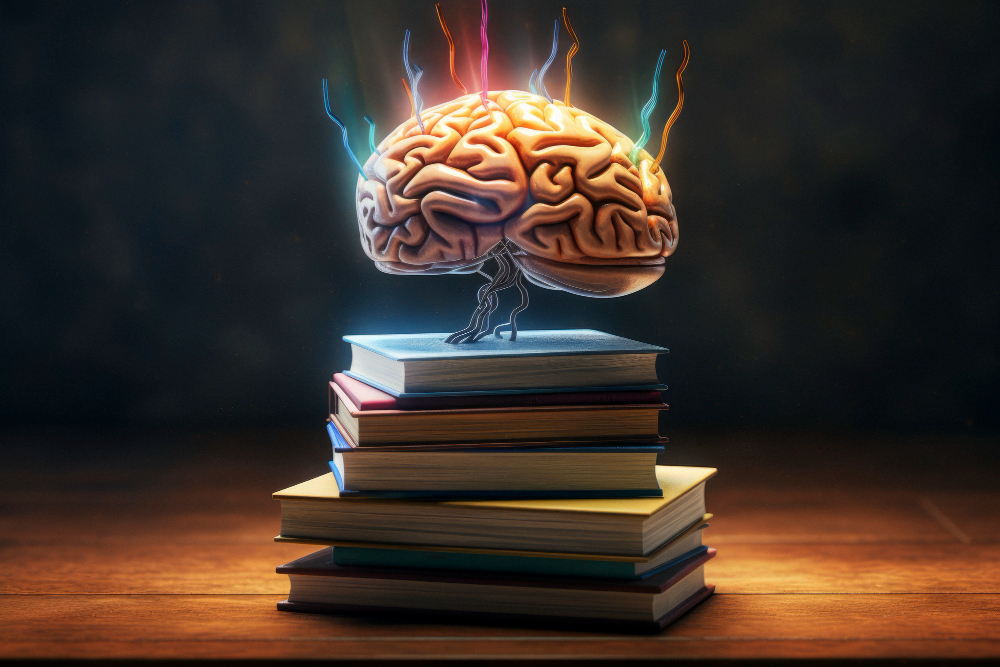
From the moment we are born, stories cradle us, shaping our understanding of the world in ways that cold, hard facts often cannot. Our brains are naturally wired to connect with narratives; they find comfort and meaning in stories that weave together characters, conflicts, and resolutions. Unlike facts, which are discrete pieces of information prone to being forgotten or dismissed, stories engage multiple parts of the brain simultaneously, fostering emotional resonance and memorable impressions. This innate preference isn't just a cultural phenomenon but rooted deeply in our biology, evolution, and psychology. Throughout history, storytelling has been a fundamental human activity—used to pass down knowledge, preserve traditions, and create a shared sense of identity. When we hear or read a story, our brains activate regions associated with sensory processing, emotion, and even motor functions, as if we are experiencing the events ourselves. This immersive process makes stories more engaging, more persuasive, and more likely to influence our beliefs and behaviors. Conversely, facts tend to activate only specific areas related to analytical thinking, which can be dry and uninviting, especially when presented in isolation. Moreover, our brains have a natural tendency toward pattern recognition and meaning-making. Stories provide a cohesive framework that satisfies these cognitive needs. Facts often lack context, which makes them less compelling; they need to be embedded within a narrative structure to truly resonate. For example, statistics about climate change may seem abstract, but when told through the story of a particular community affected by rising sea levels, they become real and urgent. The human affinity for stories thus transforms abstract data into relatable, emotionally charged narratives that catalyze action. Neurological studies have also demonstrated that stories activate the brain’s reward pathways, releasing dopamine and fostering feelings of pleasure and curiosity. This explains why we often find ourselves hooked on a good story—whether in books, movies, or conversations—and why stories are so effective in marketing, education, and persuasion. When information is delivered as a story, it not only sticks better but also influences our attitudes and decision-making processes more profoundly than mere facts. In a world overwhelmed with information, our brains prefer stories because they simplify complexity, evoke emotions, and facilitate empathy. They help us understand other perspectives and connect with strangers across time and space. In essence, stories are the mental bridges that help us navigate the chaos of knowledge and find meaning in our lives. Recognizing this natural predisposition can lead us to harness the power of storytelling in our communication, making our messages more impactful and memorable. As technology continues to evolve, understanding why our brains favor stories over raw data remains crucial—not just for writers and educators but for anyone seeking to truly influence and inspire others.