Now Reading: Danielle Smith: The Political Comeback That Led to Alberta’s Premiership
-
01
Danielle Smith: The Political Comeback That Led to Alberta’s Premiership
Danielle Smith: The Political Comeback That Led to Alberta’s Premiership

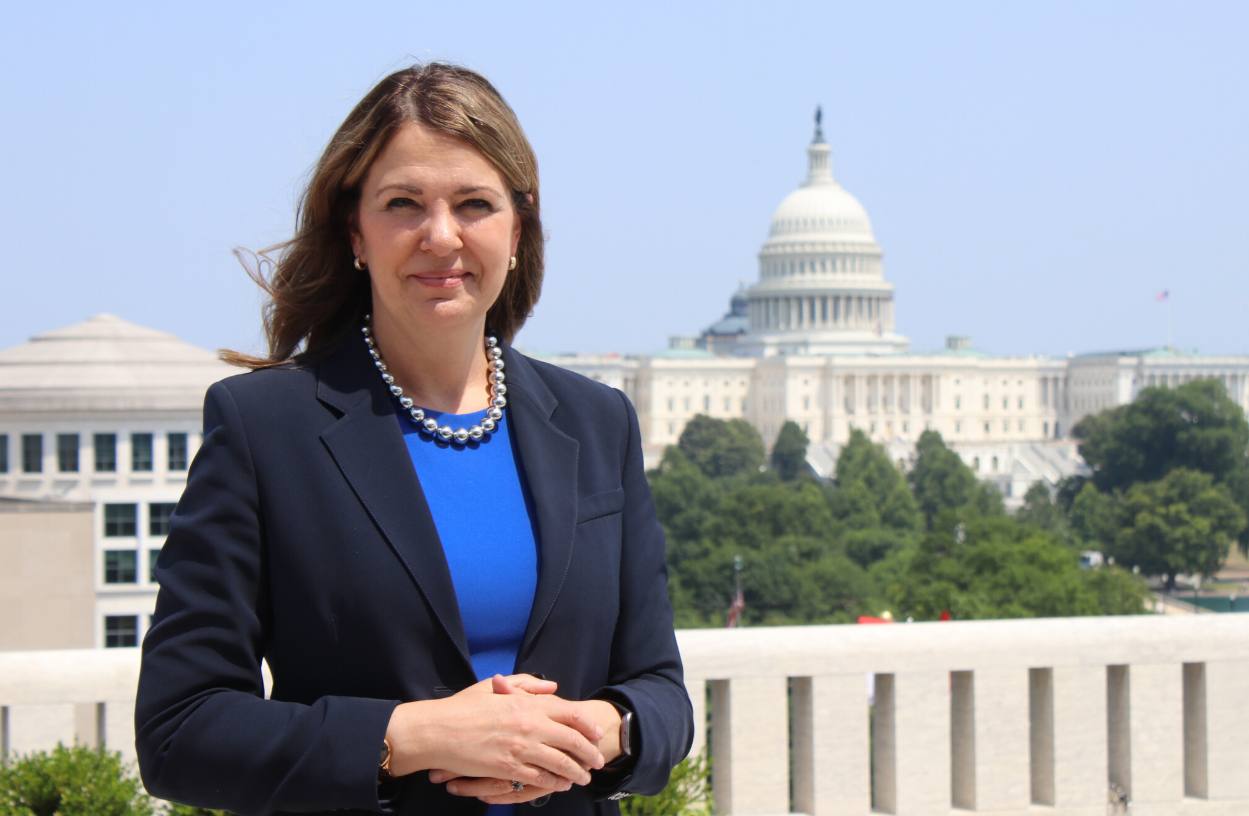
Danielle Smith has experienced one of the most unusual political trajectories in modern Canadian provincial politics. She rose to prominence as the leader of a conservative movement challenging Alberta’s longtime governing party, suffered a dramatic political collapse after crossing the floor, spent years outside elected office and then returned to become Premier of Alberta. Her career has therefore become a story not only about conservative politics and Alberta’s relationship with Ottawa, but also about political survival and reinvention.
Early Life and Public Career
Marlaina Danielle Smith was born in Calgary, Alberta, on April 1, 1971. She studied English and economics at the University of Calgary, an institution that has played an important role in the development of modern Canadian conservative thought. Smith’s interests gradually moved toward public policy, economics and political communication, eventually leading her into journalism, advocacy and broadcasting.
Before becoming one of Alberta’s best-known politicians, Smith worked in Canadian media as a columnist and radio host. Talk radio was particularly suited to her communication style because it allowed extended discussion of controversial policy questions and direct interaction with audiences. She also worked with organizations concerned with business and public policy, giving her a profile within Alberta’s conservative political environment before she became the leader of a provincial party.
The Rise of Wildrose
Smith became leader of the Wildrose Alliance Party in 2009, at a time when Alberta’s Progressive Conservatives had governed the province for decades. Wildrose sought to challenge the governing party from the right, appealing to voters who believed Alberta’s traditional conservative establishment had become too centrist or disconnected from its ideological base. Under Smith, the party grew rapidly and emerged as a serious political threat.
The 2012 provincial election became a major test of that momentum. At various points during the campaign, Wildrose appeared capable of defeating the Progressive Conservatives and forming government, but the PCs ultimately retained power. Wildrose nevertheless became the Official Opposition, while Smith entered the Alberta legislature as MLA for Highwood. The result established her as one of the most important conservative politicians in the province.
The Floor Crossing That Changed Everything
Smith’s first political rise ended dramatically in 2014 when she and eight other Wildrose MLAs crossed the floor to join the governing Progressive Conservative caucus. The decision shocked many Wildrose supporters, particularly because they had elected those representatives specifically to oppose the PC government. Smith argued that uniting Alberta’s conservatives could end destructive divisions on the right, but many voters regarded the move as a betrayal of the opposition mandate they had given her.
The political consequences were severe. Smith subsequently lost the Progressive Conservative nomination in her riding and left elected politics, while her reputation among portions of the conservative electorate was badly damaged. For several years, it appeared that the floor crossing might remain the defining moment of her political career. She returned to broadcasting and public commentary, remaining visible in Alberta politics without holding elected office.
An Extraordinary Return
Alberta’s conservative political landscape changed significantly during Smith’s years away. The Progressive Conservative and Wildrose parties eventually merged to form the United Conservative Party, which later won government under Jason Kenney. Internal divisions within the UCP eventually contributed to Kenney’s decision to resign as leader, creating an unexpected opportunity for Smith to return.
She entered the UCP leadership contest and won in October 2022, immediately becoming Premier of Alberta. The comeback was extraordinary given the circumstances of her earlier departure from politics. Smith subsequently won a seat in the legislature and led the UCP into the 2023 provincial election, where the party defeated Rachel Notley’s New Democratic Party and retained government. The victory provided Smith with the direct electoral mandate she had not initially possessed when she became premier through the leadership contest.
Alberta, Ottawa and Provincial Autonomy
A central theme of Smith’s premiership has been Alberta’s relationship with Canada’s federal government. Her political approach emphasizes provincial jurisdiction and frequently argues that Ottawa has exceeded its constitutional role in areas affecting Alberta’s economy. Energy and environmental policy are particularly important because Alberta’s oil and gas industry plays an enormous role in the province’s employment, government revenue and political identity.
Smith’s government introduced the Alberta Sovereignty Within a United Canada Act as a mechanism for responding to federal policies the province considers unconstitutional or harmful to Alberta. Supporters regard this approach as necessary protection against federal overreach, while critics have raised concerns about constitutional conflict and political uncertainty. Similar disagreements have emerged over emissions regulations, electricity policy, carbon pricing and the future of Canada’s energy sector.
A Polarizing but Durable Political Figure
Smith’s communication style and willingness to confront the federal government have made her one of Canada’s most visible provincial leaders. Supporters see a premier willing to defend Alberta’s economic interests and challenge policies they believe unfairly target the province. Critics argue that frequent confrontation can deepen regional divisions and make cooperation between governments more difficult.
Regardless of those competing perspectives, Smith’s political comeback remains remarkable. She went from leading Alberta’s Official Opposition to losing her place in elected politics, then returned years later to become premier and win a provincial election. Her career demonstrates how unpredictable democratic politics can be and how a politician once considered finished can return to occupy one of the most powerful provincial offices in Canada.