Now Reading: Alan Cross: The Broadcaster Who Turned a Passion for Music Into a Career
-
01
Alan Cross: The Broadcaster Who Turned a Passion for Music Into a Career
Alan Cross: The Broadcaster Who Turned a Passion for Music Into a Career

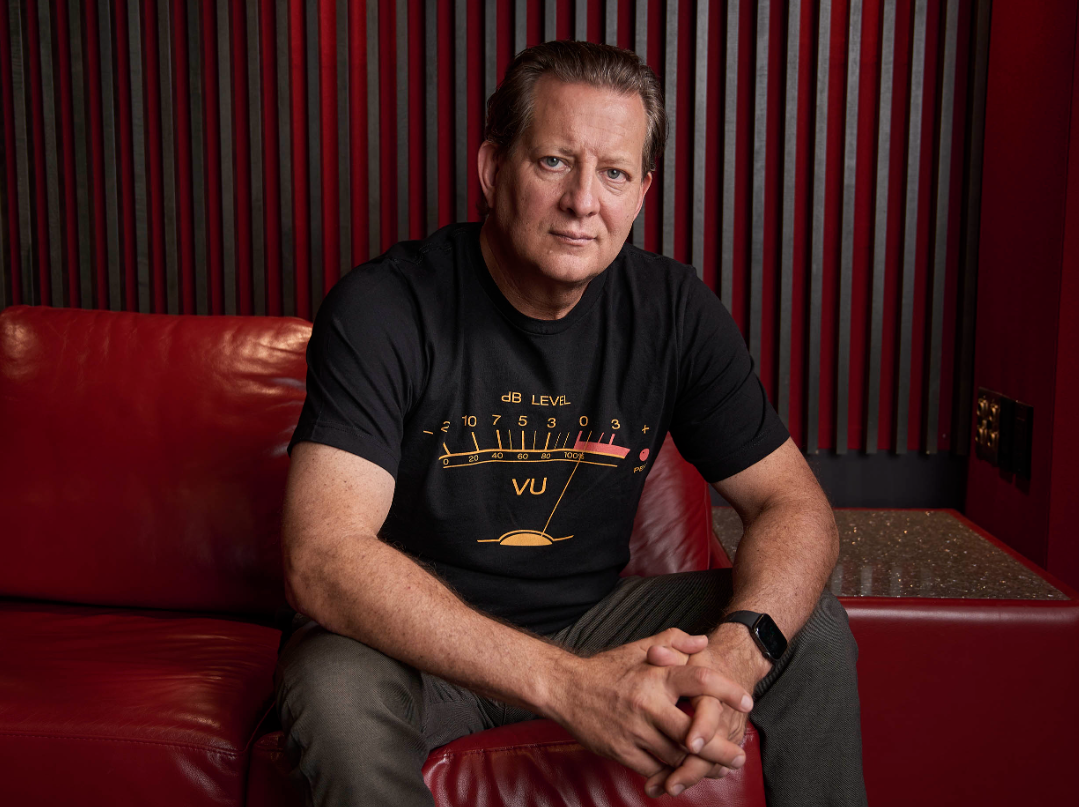
Alan Cross has spent decades exploring not only what people listen to, but why music develops the way it does. The Canadian broadcaster, writer and music historian is best known for The Ongoing History of New Music, a long-running radio documentary series devoted to alternative rock, artists, musical movements and the technology that has transformed the industry. His ability to combine detailed research with accessible storytelling has made him a distinctive figure in Canadian music journalism. Rather than simply reviewing albums or interviewing musicians, Cross has built much of his career around explaining the connections between music, technology and popular culture.
From Music Fan to Broadcaster
Cross grew up in Manitoba, Canada, and developed an interest in both music and radio while he was young. For him, radio offered something that simply owning records could not: presenters could introduce unfamiliar artists, explain where songs came from and create connections between completely different musical movements. That fascination eventually became a profession as Cross began working in broadcasting and gradually gained experience at Canadian radio stations.
His career eventually took him to Toronto, where he became closely associated with CFNY, later known as 102.1 The Edge. The station had an important place in Canada’s alternative-music culture, making it an ideal environment for Cross as alternative rock moved from relatively underground scenes toward mainstream popularity. He worked in several broadcasting and programming roles while developing the approach that would later become his trademark: music presented not as a collection of isolated songs, but as an evolving cultural history.
The Ongoing History of New Music
In 1993, Cross launched the project that would become most closely associated with his name, The Ongoing History of New Music. The program differed considerably from a conventional music show because each episode was structured more like an audio documentary. Cross could devote an entire program to one artist, a particular genre, an important moment in music history or a technological development that changed how people created and consumed music.
The format allowed listeners to discover connections they might never have considered on their own. A story beginning with a famous band could lead into discussions about producers, record companies, forgotten artists, recording technology or cultural events that influenced a particular sound. Cross combined narration with carefully selected music, creating episodes that were informative without feeling like academic lectures. Over time, the program developed a loyal audience and became one of Canada’s best-known radio series devoted to modern music history.
Watching the Music Industry Transform
Cross has had the unusual advantage of covering popular music during one of the industry’s most dramatic periods of technological change. Early in his career, physical records and traditional radio were dominant forces in how audiences discovered music. CDs later transformed the commercial market, only to be disrupted by MP3 files, peer-to-peer sharing and eventually streaming services that placed enormous music libraries instantly in listeners’ hands.
These transformations became an important part of Cross’s work because technology affects far more than the format used to play a song. It influences how musicians earn money, how record labels operate, how audiences discover new artists and even how songs are written to succeed in a particular media environment. Cross has regularly examined streaming economics, digital piracy, algorithms, artificial intelligence and the changing importance of radio. That broader perspective has helped his work remain relevant even as the industry around him has changed dramatically.
Music Is More Than the Song
One of Cross’s defining characteristics as a music journalist is his tendency to treat music as part of a much larger ecosystem. A successful song may depend on the artist, but it can also be shaped by a producer, a new recording technique, a record label’s marketing decisions, radio programming, touring economics and cultural trends. In the streaming era, recommendation algorithms and social-media platforms have added entirely new forces capable of transforming an unknown track into an international phenomenon.
Cross has explored these connections through radio, podcasts, books, articles and public commentary. His work frequently moves beyond the question of whether a particular album is good or bad and instead asks why certain changes happen in music at particular moments. This approach has effectively made him both a critic and a historian of an industry that is constantly reinventing itself.
An Ongoing Story
The title The Ongoing History of New Music captures the central idea behind Cross’s career. Every supposedly new musical movement has roots somewhere in the past, whether artists are borrowing from earlier generations, deliberately rebelling against them or using new technology to transform familiar ideas. Music history therefore never really ends because each generation adds another layer to what came before.
After decades in broadcasting, Alan Cross has created an extensive archive documenting those connections. The industry he began covering is radically different from today’s world of streaming, social media and artificial intelligence, yet the fundamental curiosity behind his work remains unchanged. As long as musicians continue finding new ways to create and audiences continue changing how they listen, Cross will have another chapter of music history to explore.