Now Reading: Dominic LeBlanc: A Lifetime at the Center of Canadian Politics
-
01
Dominic LeBlanc: A Lifetime at the Center of Canadian Politics

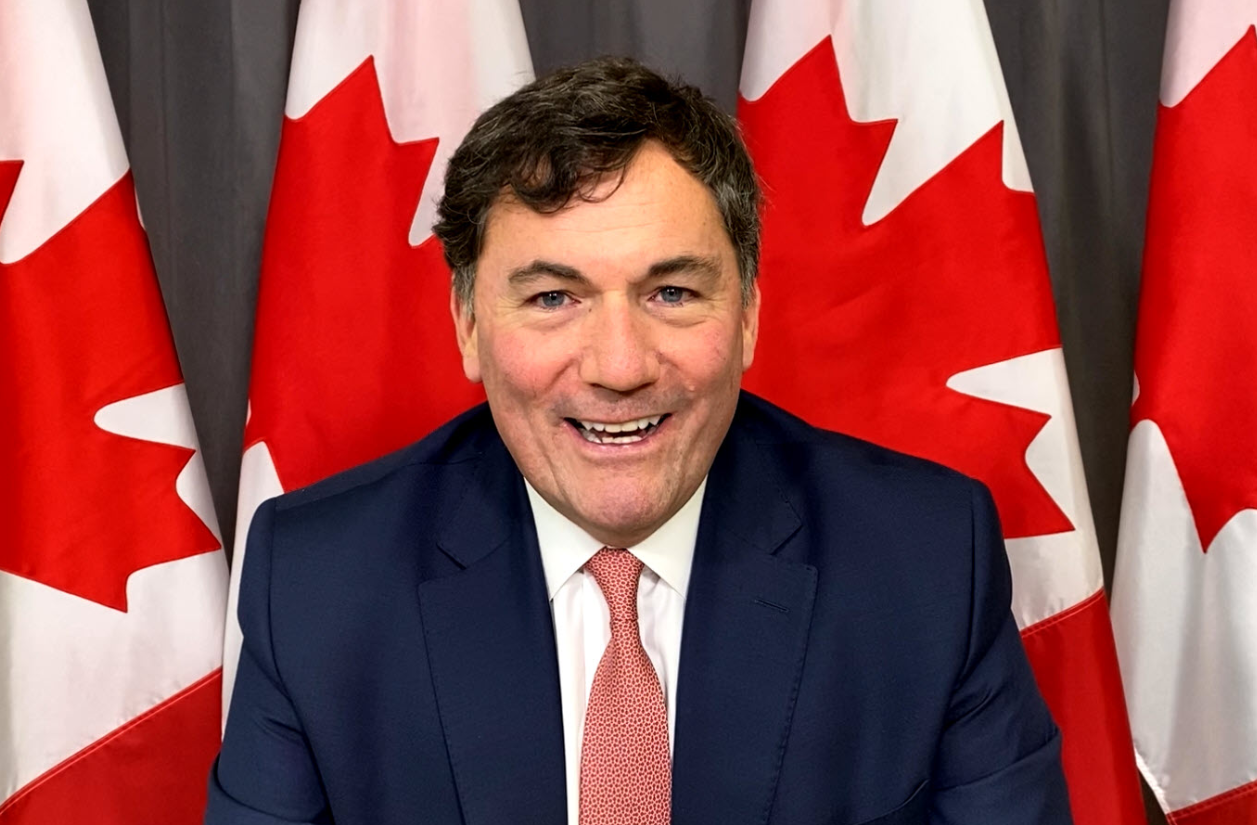
Dominic LeBlanc has spent decades close to the center of Canadian federal politics, developing a reputation as an experienced Liberal politician capable of managing complex portfolios and sensitive negotiations. A longtime Member of Parliament from New Brunswick, he has held senior responsibilities involving fisheries, intergovernmental affairs, infrastructure, public safety, democratic institutions and Canada–United States relations. His career combines deep connections to Atlantic Canada with longstanding ties to the federal Liberal establishment, making him one of the most experienced figures of his political generation.
Growing Up Around National Politics
Dominic LeBlanc was born in Ottawa on December 14, 1967, into a family already deeply involved in Canadian public life. His father, Roméo LeBlanc, worked as a journalist before entering politics, served in the cabinet of Prime Minister Pierre Trudeau and eventually became Governor General of Canada. As a result, Dominic grew up in an environment where national politics and public service were familiar parts of everyday life rather than distant institutions.
Those family connections also meant that LeBlanc knew Justin Trudeau long before either man occupied senior political office. LeBlanc pursued his own extensive education, studying political science and law at institutions including the University of Toronto, the University of New Brunswick and Harvard Law School. His combination of political exposure and formal legal education provided a strong foundation for the federal career that followed.
Entering the House of Commons
LeBlanc first attempted to win a seat in the House of Commons in 1997 but was unsuccessful. He returned in 2000 and won the New Brunswick riding of Beauséjour, beginning a parliamentary career that would extend across numerous governments and political eras. His position as an Atlantic Canadian MP ensured that regional issues involving fisheries, economic development and federal-provincial relations would remain important throughout his career.
During the Liberal Party’s years in opposition, LeBlanc gradually assumed more prominent responsibilities. He briefly entered the 2008 Liberal leadership contest before withdrawing and supporting Michael Ignatieff. Although he never became party leader, the episode demonstrated his standing within the Liberal caucus and his ambitions at the national level.
Becoming a Senior Cabinet Minister
The Liberal victory in the 2015 federal election brought LeBlanc into cabinet under Prime Minister Justin Trudeau. He initially served as Leader of the Government in the House of Commons before taking responsibility for Fisheries, Oceans and the Canadian Coast Guard. The fisheries portfolio was especially significant for a politician representing New Brunswick because the Atlantic fishing industry remains economically and culturally important across the region.
Over subsequent years, LeBlanc became one of the government’s most versatile senior ministers. He handled intergovernmental affairs and infrastructure, among other responsibilities, frequently working on files requiring negotiation with provincial and territorial governments. Such roles demand political flexibility because Canada’s federal system requires governments controlled by competing parties to cooperate on practical issues even while publicly disagreeing over policy.
A Major Personal Challenge
LeBlanc’s political career was interrupted in 2019 when he stepped away from cabinet duties while receiving treatment for non-Hodgkin lymphoma. He underwent a stem-cell transplant, temporarily removing him from the intense daily demands of federal politics. His recovery allowed him to return to public life and eventually resume senior cabinet responsibilities.
The episode became a significant personal chapter in an otherwise highly institutional political career. Senior government positions involve demanding schedules, extensive travel and constant public scrutiny, making a serious illness particularly disruptive. LeBlanc’s eventual return demonstrated that the health crisis had interrupted but not ended his political ambitions.
Intergovernmental Affairs and Public Safety
LeBlanc’s work in intergovernmental affairs placed him directly inside negotiations between Ottawa and Canada’s provinces and territories. These relationships can become particularly difficult when disagreements involve healthcare funding, infrastructure, environmental regulations, taxation or constitutional jurisdiction. A minister responsible for such negotiations must often maintain working relationships with premiers who are simultaneously criticizing the federal government in public.
In 2023, LeBlanc became Minister of Public Safety, Democratic Institutions and Intergovernmental Affairs, expanding his responsibilities into particularly sensitive areas of national governance. Questions involving national security, federal law enforcement, election integrity and foreign interference had become major subjects of public debate in Canada. The portfolio therefore placed LeBlanc at the intersection of political accountability, security policy and the protection of democratic institutions.
Canada and the United States
LeBlanc later assumed major responsibilities connected with Canada’s economic and political relationship with the United States. Few international relationships matter more to the Canadian economy because the two countries share enormous trade flows, integrated supply chains and extensive cooperation in areas ranging from energy to defense. Changes in American tariffs or trade policy can quickly affect Canadian businesses, workers and provincial economies.
His experience as a negotiator and senior cabinet figure made him a natural participant in discussions involving these issues. Canada–United States relations require a delicate balance because the countries are close allies and trading partners while also pursuing their own economic interests. Ministers responsible for the relationship must therefore defend Canadian priorities without damaging cooperation that remains essential to both economies.
A Career Defined by Political Endurance
LeBlanc’s longevity is notable in a political system where cabinet careers can end quickly because of elections, leadership changes or internal party conflicts. He has represented Beauséjour since 2000 and accumulated experience across an unusually broad collection of portfolios. Rather than becoming primarily associated with a single policy area, he has increasingly functioned as a senior political operator trusted with difficult files.
His story also reflects the continuity of Canadian political institutions across generations. He grew up as the son of a cabinet minister and future Governor General, entered Parliament himself and eventually became one of the Liberal Party’s most experienced federal figures. After decades in national politics, Dominic LeBlanc’s career is best understood as one of endurance, adaptability and sustained proximity to the decisions shaping the Canadian government.